Epic Speeches Network
The members of the Epic Speeches Network aim to generate innovative new research on Graeco-Roman epic poetry, particularly its use of direct speech, by combining methods and theoretical models from narratology, discourse analysis, linguistics and digital humanities, and by bringing together scholars with complementary expertise in a collaborative environment.
The initiative for this network was taken by the DICES project in 2021 and resulted so far in two international workshops: Rostock 2022 ("Digital Approaches to Direct Speech Representation in Greek and Latin Epic") and Mt. Allison 2023 ("Digital Approaches to Epic Speech: a forum for collaborative research, student exchange and training"), combining network opportunities and training sessions in digital methods with presentations of work in progress research papers.
Marking the launch of the DICES database in December 2025 and, simultaneously, the publication of Direct Speech in Greek and Latin Epic. Expanding the Methods and Canon (Brill, 2026), the DICES team also hosts a panel at the Celtic Conference in Classics 2026 in Maynooth (July 14-17): Epic through numbers. Digital and quantitative approaches to Greek and Latin epic.
Project coordinators
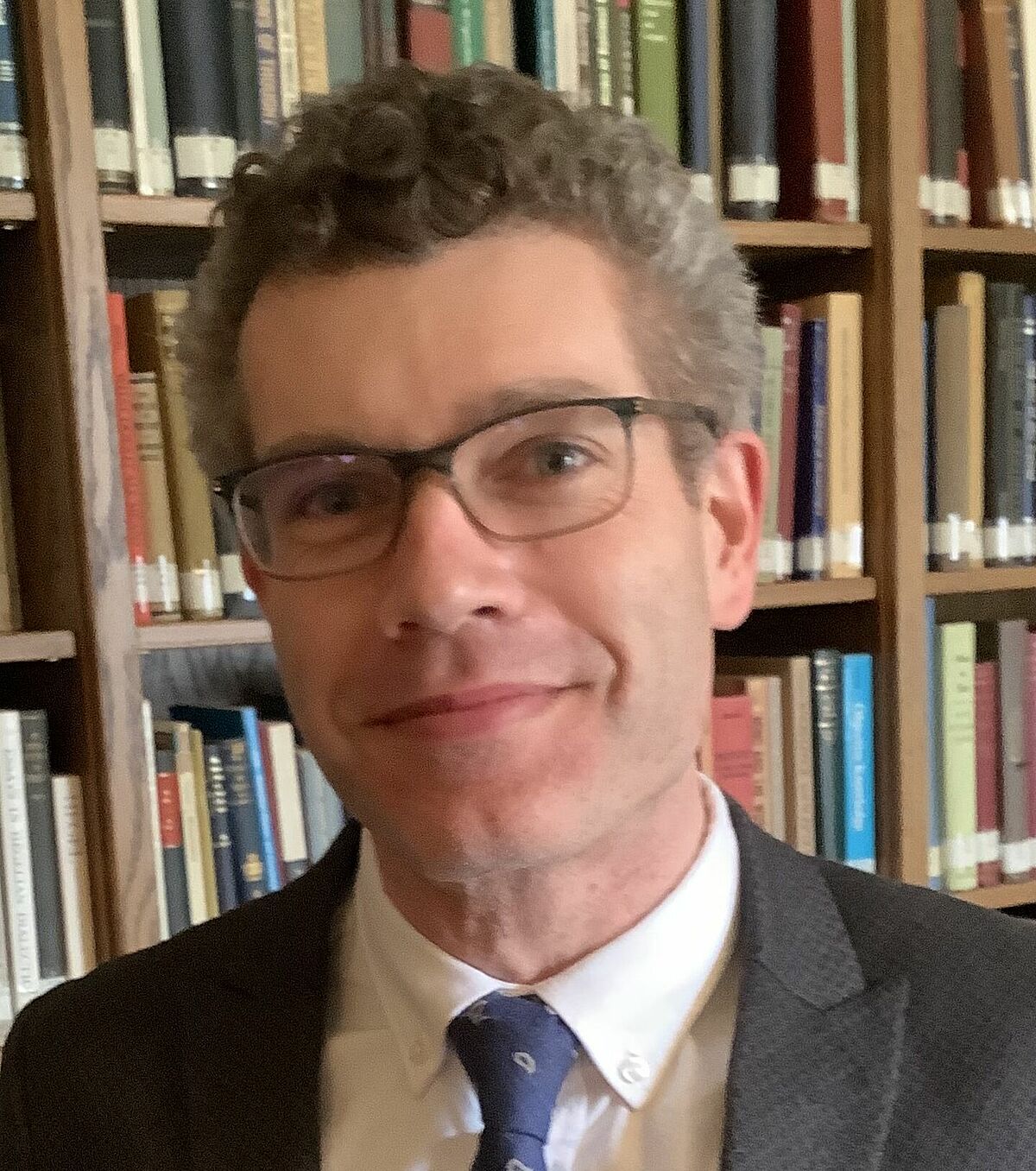
Christopher W. Forstall (Mount Allison University)
Christopher W. Forstall is Associate Professor of Classics at Mount Allison University, Canada, where he teaches courses in Greek and Roman literature and languages as well as in digital humanities. He received his PhD from the State University of New York at Buffalo in 2014, and has worked as a post-doctoral researcher in Classics at the University of Geneva and in the Department of Computer Science at Notre Dame University.
His research interests include the computational study of poetics and intertextuality in Greek and Latin Epic, with occasional comparative forays into more contemporary media.
Christopher Forstall is the author, with Walter J. Scheirer, of Quantitative Intertextuality (Springer, 2019), a handbook of digital methods for the study of intertextuality.
Website: https://www.cwforstall.net/
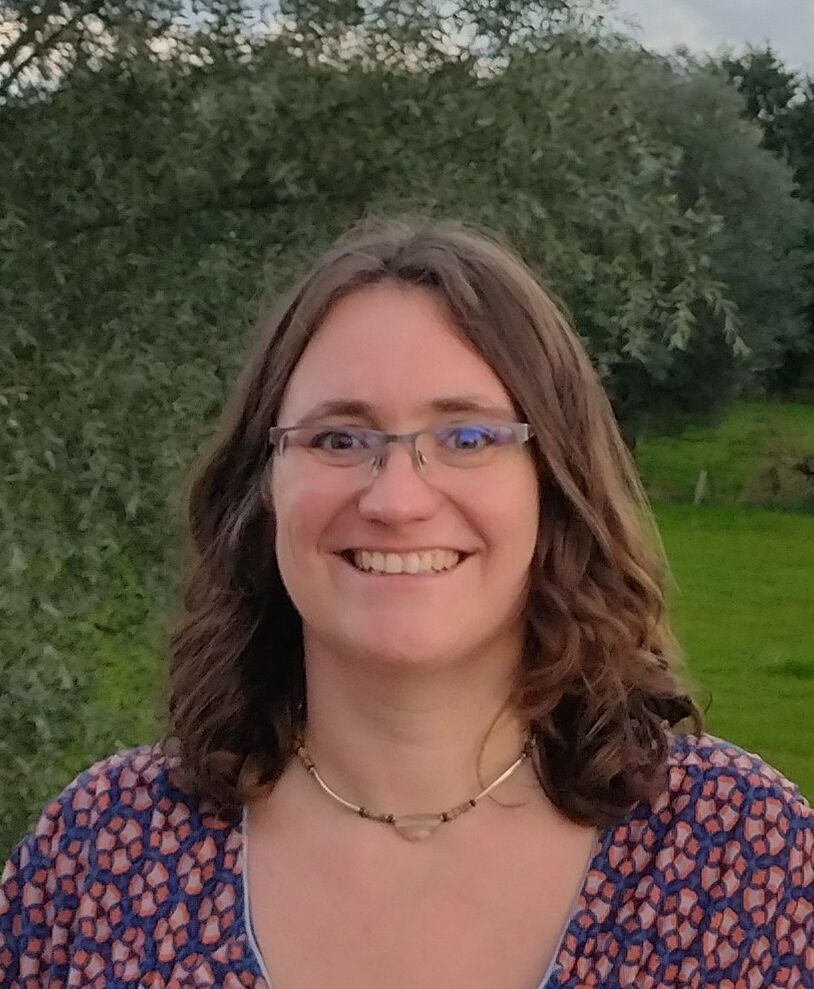
Berenice Verhelst (University of Amsterdam)
Berenice Verhelst is assistent professor for Ancient Greek at the University of Amsterdam. She was trained (MA 2009, PhD 2014) at the University of Ghent, where she was also active from 2015 to 2021 as a postdoctoral research fellow of the Research Foundation Flanders (FWO Vlaanderen).
Her research focusses on the greco-roman epic tradition. She particularly specialises in Late Antiquity and more specifically the Greek epics of Nonnus of Panopolis (5th c. AD), late antique epyllia and cento poetry. She works with the methods and terminology of narratology, genre studies and ancient rhetoric and is particularly interested in combining narratology and digital methods and quantifying the striking differences regarding style and structure of Late Antique (secular and Christian) versus Archaic and Classical epic poetry.
The results of her doctoral research project on direct speech in the Dionysiaca appeared in 2017 with Brill (+ digital appendix). She also edited of Nonnus in Context IV. Poetry at the Crossroads (Peeters 2022) and Greek and Roman Poetry of Late Antiquity. Form, tradition and context (co-editor Tine Scheijnen, CUP, 2022). Other personal interests are translation theory and practice and the history of translating the Classics.
Website: https://www.uva.nl/en/profile/v/e/b.verhelst/b.verhelst.html
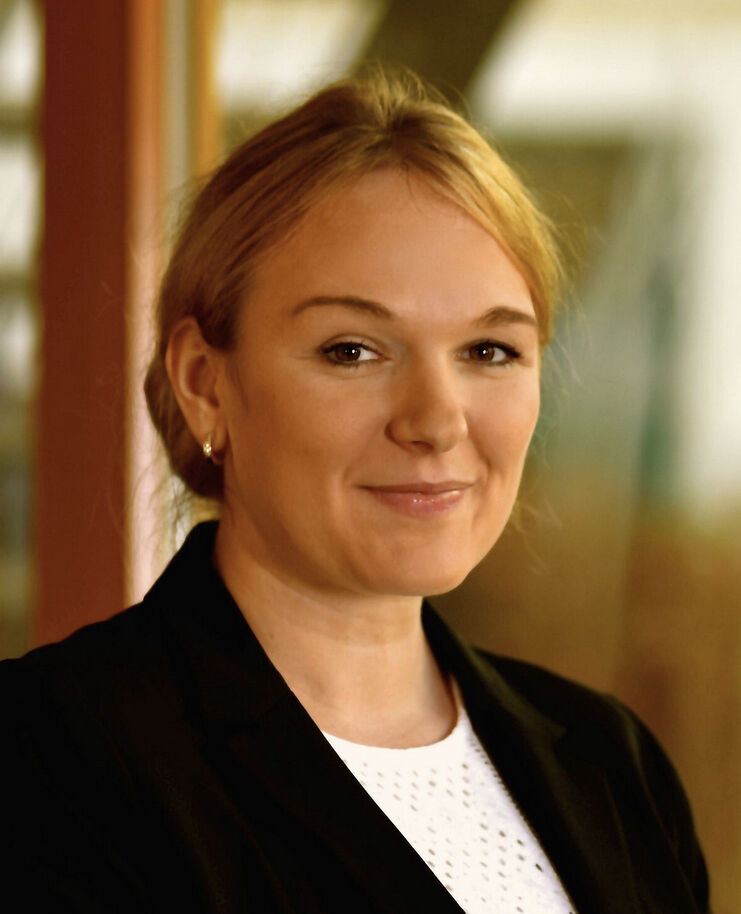
Simone Finkmann (University of Rostock)
Simone Finkmann is a founding member of the Epic Speeches Network and of DICES on whose expertise and immense contributions to the project we continue to build. Much to her and our regret, she has left the project in the Fall of 2022 due to personal circumstances.
She studied Classics, Medieval Latin, and English Philology at the universities of Münster and Oxford (Corpus Christi College). After obtaining her doctorate from the University of Oxford (Christ Church) and teaching for several colleges and the Classics Faculty, she was appointed Assistant Dean and Lecturer for Classical Languages and Literature at Somerville College and continued to work for the Classics Faculty. Until 2022 she held the position of Assistant Professor of Latin Literature at the Heinrich Schliemann-Institute of Ancient Studies at the University of Rostock where she was also responsible for the new research cluster ‘Digital Hermeneutics’ of the Interdisciplinary Faculty (Department ‘Wissen-Kultur-Transformation’).
Her latest publications include co-edited volumes on Antike Erzähl- und Deutungsmuster (2018, with Anja Behrendt and Anke Walter) and narrative patterns and structural elements in Graeco-Roman epic (4 vols., Structures of Epic Poetry, 2019 with Christiane Reitz) and the co-authored Peter Lindeberg. Neulateinische Epigramme (2021, with Anja Behrendt).
Simone Finkmann’s main research interests are narratology, discourse analysis, intertextuality, transtextuality, and gender studies in ancient and late antique epic and Neo-Latin epigram collections.
Affiliated PhD students

Lotte Knijn (University of Amsterdam)
Lotte Knijn is a PhD candidate working within the DICES project at the University of Amsterdam. Her research centers Quintus of Smyrna’s Posthomerica and investigates the style of the 3rd-century CE epic. Using resources offered by DICES, she develops computational methodologies to quantify the use of stylistic features in Greek epic poetry. Specifically, she focuses on Quintus’ place in the Greek epic tradition and speeches uttered by female characters. Her PhD project combines a quantitative, diachronic approach to epic speeches with the exploration of concepts such as the jeweled style and transtextuality.
Website: https://www.uva.nl/en/profile/k/n/l.m.knijn/l.m.knijn.html
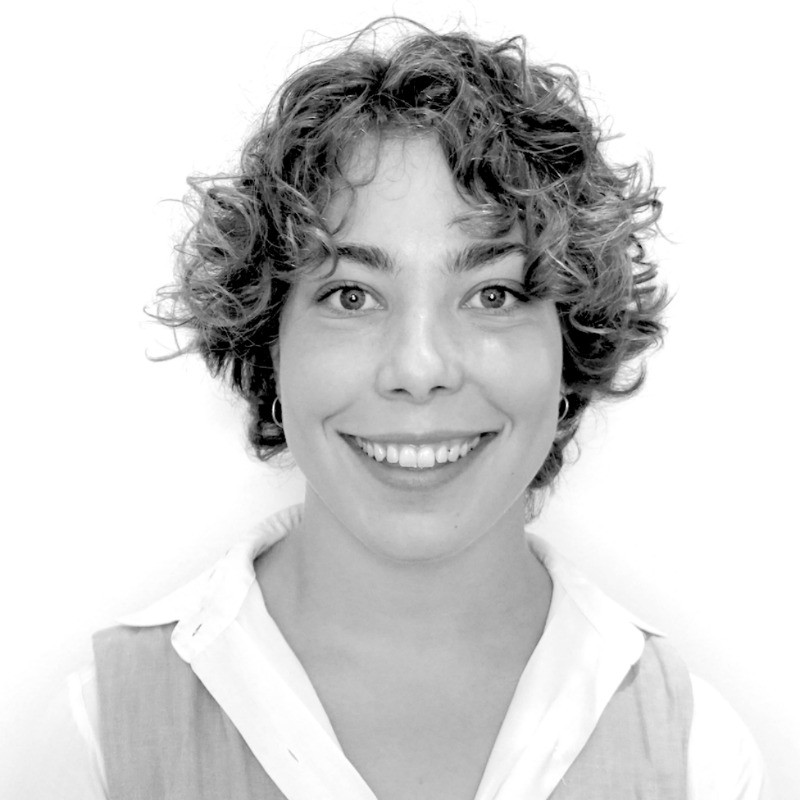
Sara Didriksen (Aarhus University)
Sara Didriksen is a Ph.D. student at the University of Aarhus working on the project “Weaving Homer into Holy Figures – Character, Status and Gender in HC1” where she investigates the characterization of Mary and Jesus through direct speech in selected scenes. As part of her master’s degree program, she did an internship at DICES which laid the foundation for her current project; her first task was to correct and collect the data for HC1, a text she had not read before but found fascinating. Since then, she has worked with the Homerocentones trying to grasp it as a literary work with multiple layers of reception that informs the narrative and characters.
Website: https://au.dk/en/sad@cas.au.dk
Student researchers
As part of the DICES project, a large group of students have worked with the database, either for their own research or as research assistants. They have collated data, actively participated in the workshops, assisted with project communication and provided editorial support for the Direct Speech in Greek and Latin Epic volume.
- Jule Andreeßen (Rostock)
- Isla Bergen (Mt. Allison)
- Yonathan Bernhardt (Rostock)
- Emma Carroll (Mt. Allison)
- Mathijs Clement (Ghent)
- Wiesje van Eersel (Amsterdam)
- Dawson Fraser (Mt. Allison)
- Merle Kallet (Rostock)
- Marie Kisser (Rostock)
- Anne Lautenschlager (Mt. Allison)
- Friederike Münch (Rostock)
- Wyatt Stagg (Mt.Allison)
- Annik Tiede (Rostock)
- Vic Vandendriessche (Ghent)
- Jarno Vercamer (Ghent)
- Ava Waugh (Mt. Allison)
- Eva Winter (Rostock)
Contributors to the Direct Speech in Greek and Latin Epic volume
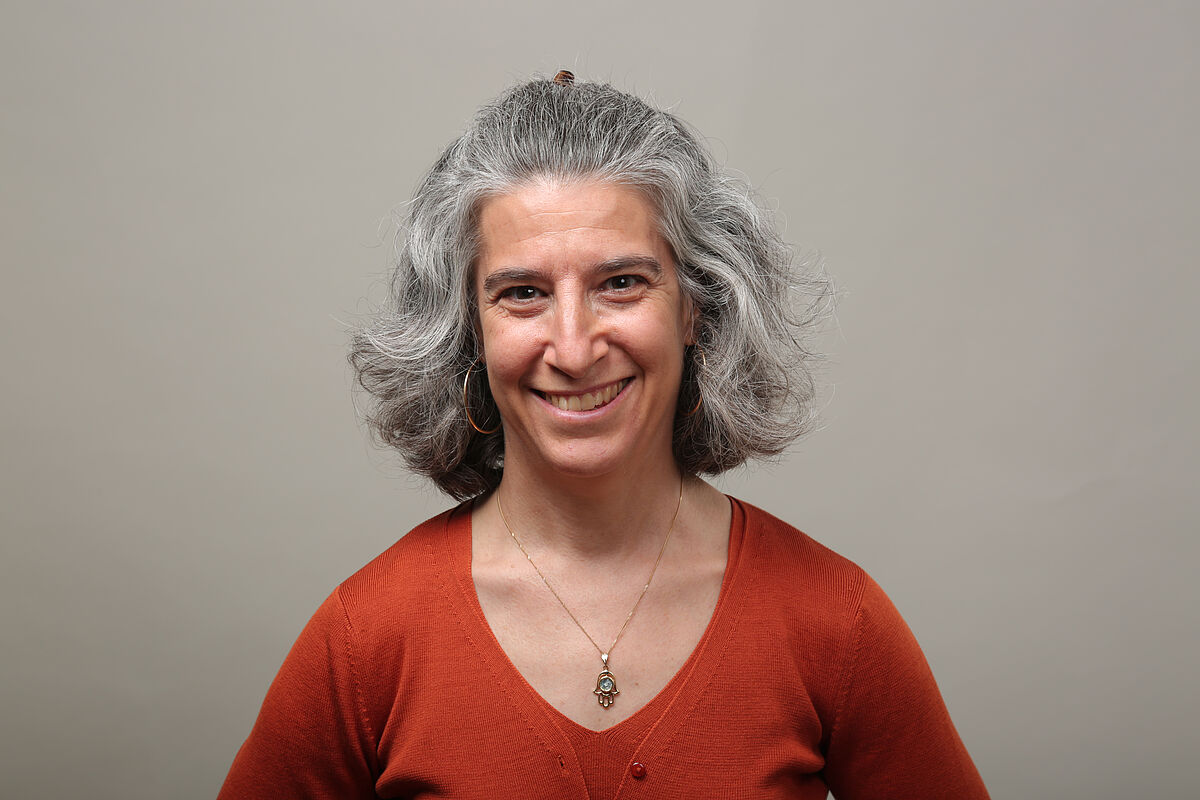
Deborah Beck (University of Texas at Austin)
Deborah Beck is Professor of Classics and Christie and Stanley E. Adams, Jr. Centennial Professor in Liberal Arts at the University of Texas at Austin. Her research focuses on how Classical Epic poetry tells a good story that connects emotionally with its audience(s), primarily but not exclusively in Homer’s Iliad and Odyssey. She regularly publishes opinion essays in state and national publications in the US. With her advanced Greek students, she produces the podcast Musings in Greek Literature. Her awards include two National Endowment for the Humanities Fellowships and two Plumer Visiting Research Fellowships at St Anne’s College, Oxford.
Website: https://liberalarts.utexas.edu/classics/faculty/db27745
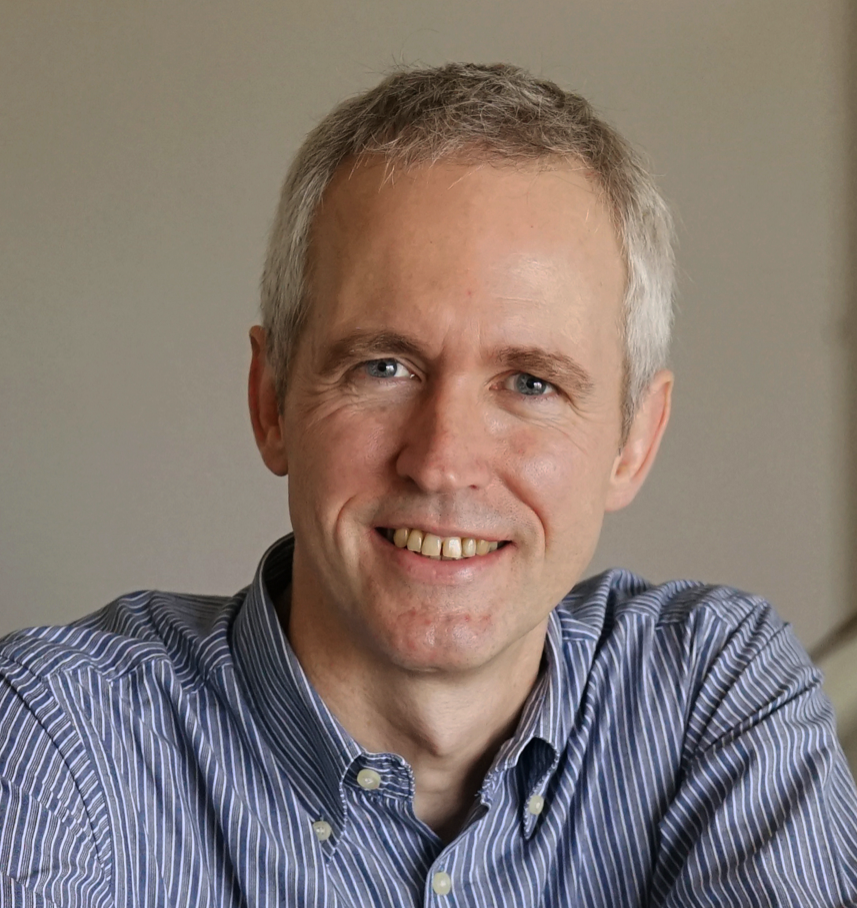
Valéry Berlincourt (University of Geneva)
Valéry Berlincourt is a Lecturer at the University of Geneva, where he is also involved in the SNSF project Digital Statius: the Achilleid (https://achilleid.unige.ch). He is the author of Commenter la Thébaïde (16e–19e s.): Caspar von Barth et la tradition exégétique de Stace (Leiden–Boston 2013, Jozef IJsewijn Prize of the International Association for Neo-Latin Studies), and has further explored the history of printed editions of Statius in relation to the manuscript transmission. After publishing on intertextuality in Claudian and co-editing the volume Lucan and Claudian: Contexts and Intertexts (Heidelberg 2016), he is currently working on a monograph on self-imitation and self-allusion in Claudian’s epic-epideictic poetry.
Website: https://www.unige.ch/lettres/antic/unites/latin/enseignants/valery-berlincourt/

T. J. Bolt (Lafayette College)
T.J. Bolt is a Visiting Assistant Professor of Classics and History at Lafayette College. He received his Ph.D. from the University of Texas at Austin. He specializes in the Latin poetry of the early Roman empire, with particular interests in Statius’ epics and Juvenal’s satires. He has published on computational approaches to Latin literature, especially stylometry. His philological work focuses on aesthetics in the first and second centuries ce and on the intellectual history of humor in Greco-Roman literature and culture. His current book project investigates the intersections of humor, genre, and philosophy in the Latin epic tradition.
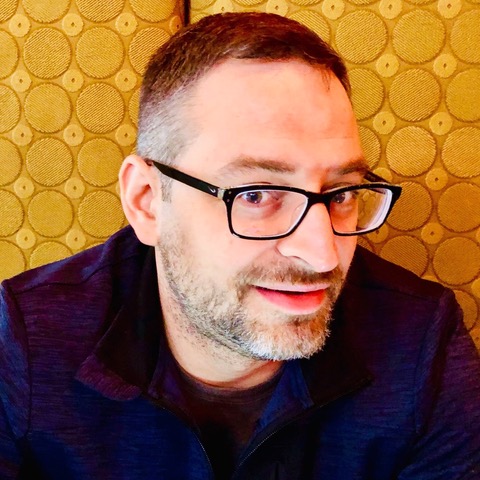
Patrick J. Burns (University of Texas at Austin)
Patrick J. Burns is Associate Research Scholar, Digital Projects at the Institute for the Study of the Ancient World at New York University, working in the areas of ancient world data processing and historical language text mining and analysis. Patrick earned his doctorate in Classics from Fordham University and has also held research positions in the Culture, Cognition, and Coevolution Lab at Harvard University and the Quantitative Criticism Lab at the University of Texas at Austin. Patrick is the maintainer of LatinCy, pretrained natural language processing pipelines for Latin, and a co-author/developer (with David Bamman) of Latin BERT.
Website: https://diyclassics.github.io/
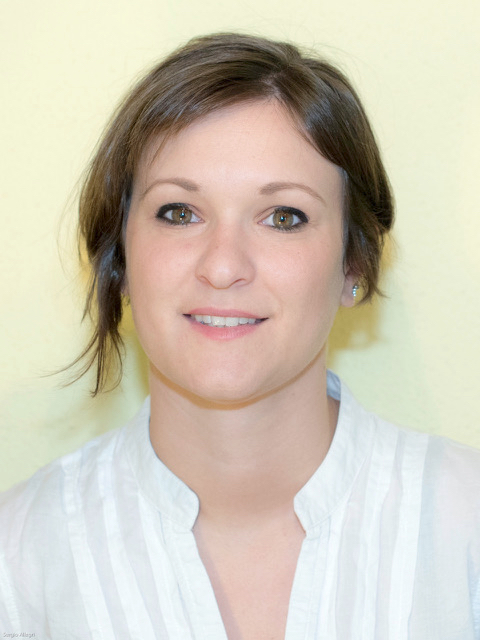
Ombretta Cesca (University of Lausanne)
Ombretta Cesca, Ph.D. (University of Lausanne, 2018), is Assistant Professor of Greek Language and Literature at the University of Lausanne, where she specializes in archaic and classical Greek literature. Her research interests include Homeric poetry, media and communication in Ancient Greece, and the depiction of divine and religious elements in epic poetry and drama. She is the author of the monograph Ripetizione e riformulazione nell’Iliade (De Gruyter, 2022), which explores the discursive techniques of messengers in the Iliad, analyzing their role in the transmission of information and the interplay between repetition and reformulation. Her research integrates approaches from oral theory, narratology, and history of ancient religions.
Website: https://www.unil.ch/iasa/fr/home/menuinst/collaborateursrices/grec/cesca-ombretta.html
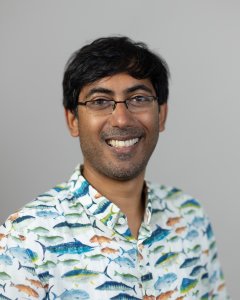
Pramit Chaudhuri (University of Texas at Austin)
Pramit Chaudhuri is Associate Professor of Classics at the University of Texas at Austin. He is the author of The War with God: Theomachy in Roman Imperial Poetry (OUP, 2014), and co-director of the Quantitative Criticism Lab (QCL), a cross-disciplinary group developing new approaches to the study of literature. QCL publications have appeared in leading venues across the humanities and sciences, including TAPA, Proceedings of the National Academy of Sciences, and the Association for Computational Linguistics. His work with QCL has been supported by the National Endowment for the Humanities, the American Council of Learned Societies, and the Mellon Foundation.
Academia: https://liberalarts.utexas.edu/classics/faculty/pc8956
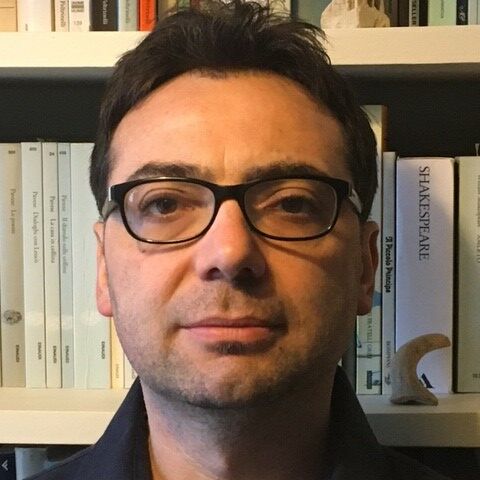
Roberto Chiappiniello Valente (Downside School, UK)
Roberto Chiappiniello is currently Head of Classics at Downside School (UK). His primary research focus is late Latin literature, with particular interest in late antique Latin poetry, intertextuality, and reception. He has published on various aspects of late Latin poetry and intertextuality. His commentary on the Epigramma Paulini was published by De Gruyter in 2023.
Website: https://manchester.academia.edu/robertochiappiniello
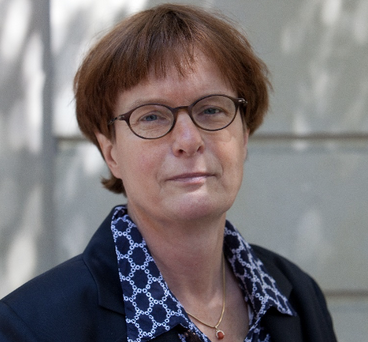
Irene J. F. de Jong (University of Amsterdam)
Irene J. F. de Jong is emeritus professor of Ancient Greek, University of Amsterdam. She has published extensively on Homer, Herodotus, drama, and ancient narrative in general. She is the editor of a multi-volume history of ancient Greek narrative, of which five volumes have appeared so far, dealing with Narrators, narratees, and narratives, Time, Space, Characterization, and Speech (Brill). She is a member of the Royal Dutch Academy, the Norwegian Academy, the Academia Europaea, and the British Academy. Recent publications include Narratology and Classics. A Practical Guide (OUP, 2014), A narratological commentary on Herodotus Histories (CUP, 2026).
Website: www.uva.nl/en/profile/j/o/i.j.f.dejong/i.j.f.de-jong.html
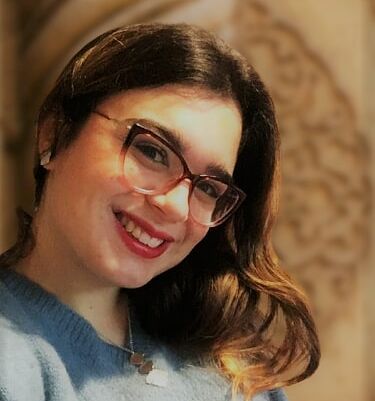
Martina Delucchi (Istituto Italiano per gli Studi Storici, Naples)
Martina Delucchi, Ph.D. (Bristoll 2023), is a Postdoctoral Researcher at the Istituto Italiano per gli Studi Storici in Naples, Italy. Before, she conducted research in Bristol, Vienna, and Göttingen. Her primary research interests lie in Ancient Greek and Roman culture, with a particular emphasis on the interplay between literature and art. She specializes in cross-cultural studies, the relationship between myth, politics, and society, and ancient drama. She has presented her research in both Europe and North America. Her first monograph, Imagining Telephus: A Greek Myth Across Cultures in the Ancient Mediterranean, was published by De Gruyter in 2025.
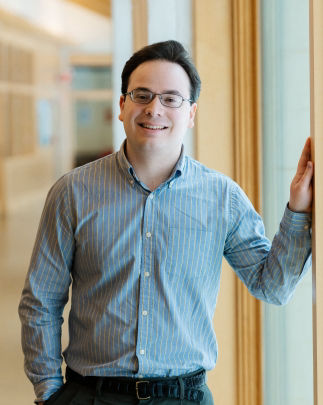
Joseph P. Dexter (Northeastern University)
Joseph P. Dexter is a Research Assistant Professor in the Roux Institute at Northeastern University, an Assistant Professor in the Institute of Collaborative Innovation at the University of Macau, and an Associate in Human Evolutionary Biology at Harvard University. With Pramit Chaudhuri, he is the co-founder and co-director of the Quantitative Criticism Lab, an interdisciplinary digital humanities group with longstanding interests in computational approaches to classical literary criticism. His research has been supported by the National Science Foundation, National Endowment for the Humanities, American Council of Learned Societies, and Poynter Foundation. Dexter holds a Ph.D. in Systems Biology from Harvard University and an A.B. in Chemistry from Princeton University.
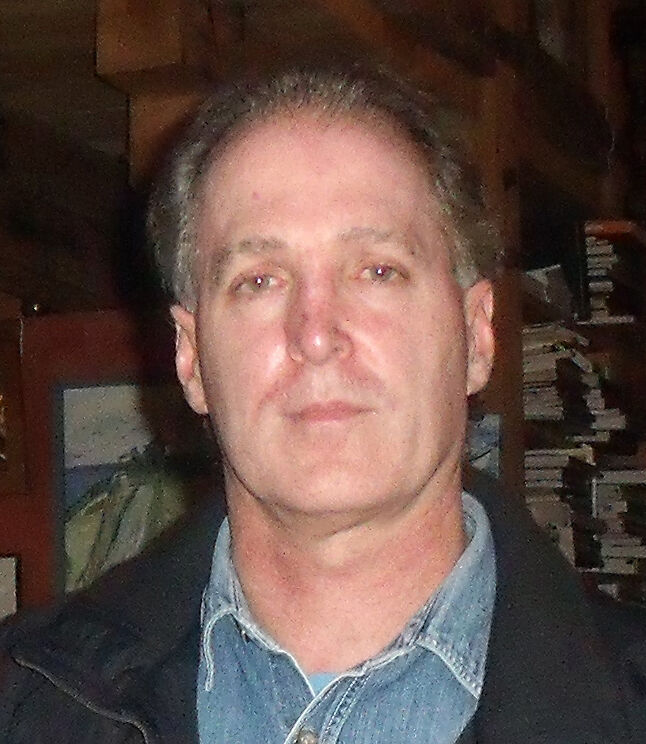
William J. Dominik (University of Lisbon and University of Otago)
William J. Dominik has produced a few hundred publications, primarily in the areas of Roman literature and rhetoric, especially of the Flavian era; the classical tradition and reception; and Latin lexicography. He is presently Visiting Professor of Literary Studies at the University of Juiz de Fora; Integrated Researcher of Classical Studies at the University of Lisbon; Professor Emeritus of Classics at the University of Otago; and Extraordinary Professor of Ancient Studies at the University of Stellenbosch. He was also Professor of Classics at the University of Natal and has held visiting or temporary appointments at Texas Tech, Monash, Leeds, Cambridge, Edinburgh, Bahia and Oxford.
Websites: centroclassicos.letras.ulisboa.pt/author/williamjdominik, www.otago.ac.nz/classics/staff/otago054474.html
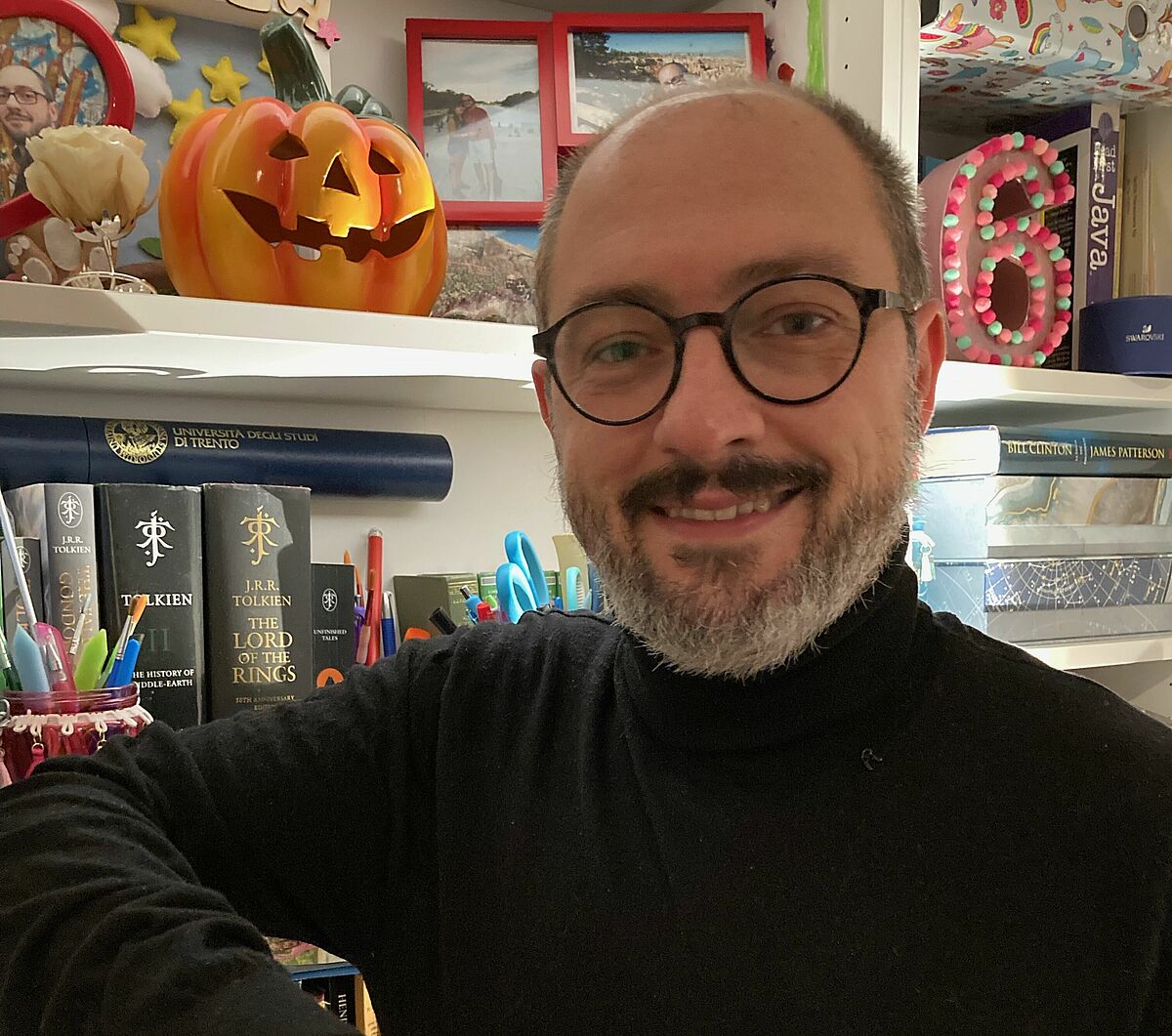
Francesco Mambrini (Università Cattolica del Sacro Cuore)
Francesco Mambrini is a researcher at the Università Cattolica del Sacro Cuore, Milan, where he teaches Computational Linguistics, Programming for the Humanities and Linguistic Linked Data. He previously worked at the German Archaeological Institute (DAI, Berlin) and the University of Leipzig. A 2012 Joint Fellow of Harvard’s Center for Hellenic Studies and the DAI, he has contributed to major initiatives in Digital Classics, including the Perseus Project, iDAI.world, and the Index Thomisticus Treebank. He has annotated the syntax of Aeschylus and Sophocles for the Ancient Greek and Latin Dependency Treebank. He was part of the ERC project LiLa: Linking Latin..
Website: https://docenti.unicatt.it/ppd2/it/docenti/34146/francesco-mambrini/profilo
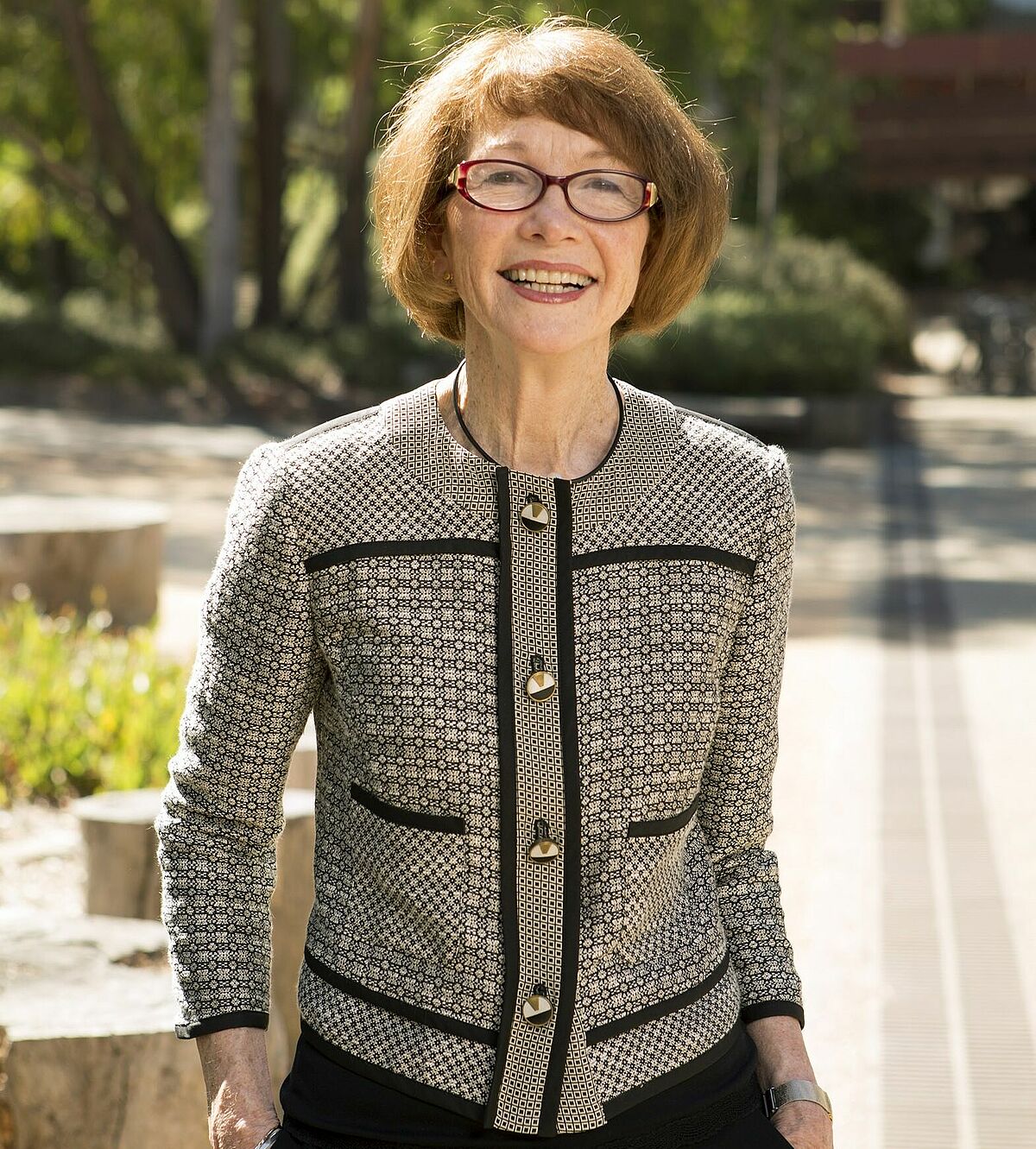
Elizabeth Minchin (The Australian National University)
Elizabeth Minchin is Emeritus Professor of Classics at the Australian National University in Canberra. Her research focusses on the Homeric epics, which she approaches through the lenses of memory and cognition, cognitive narratology, discourse, and emotion. She has published Homer and the Resources of Memory (OUP, 2001) and Homeric Voices (OUP, 2007) and numerous articles and book chapters.
Website: https://researchers.anu.edu.au/researchers/minchin-eh
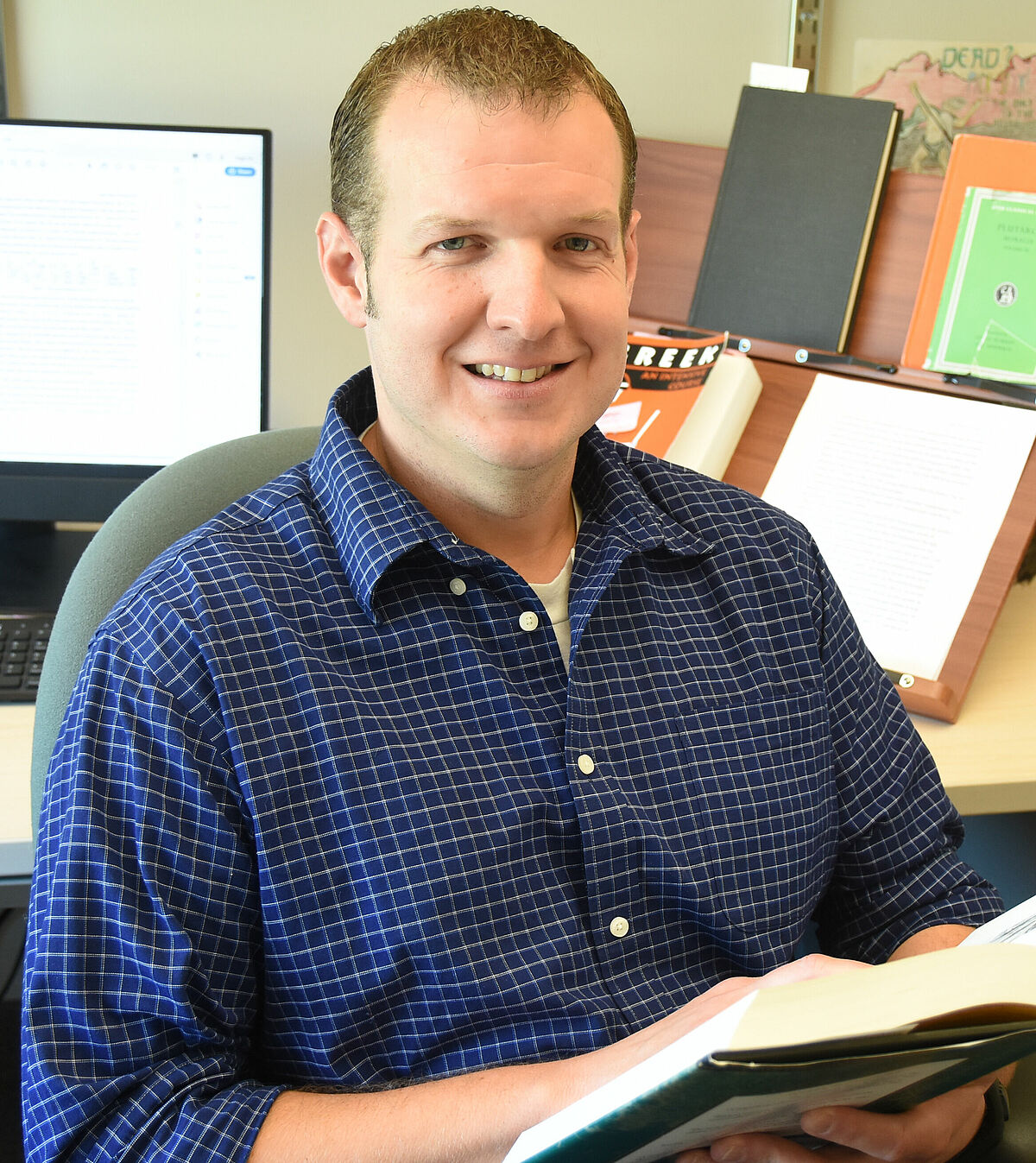
Charles Oughton (Brigham Young University)
Charles Oughton is an Assistant Professor of Classics at Brigham Young University in Provo, UT, USA. His research focuses on intertextual and narratological analyses of the Greek and Roman historiographic traditions, especially through the works of Livy, Polybius, Plutarch, and Herodotus. He also examines the reception of the ancient world in modern narrative texts and analogue games.
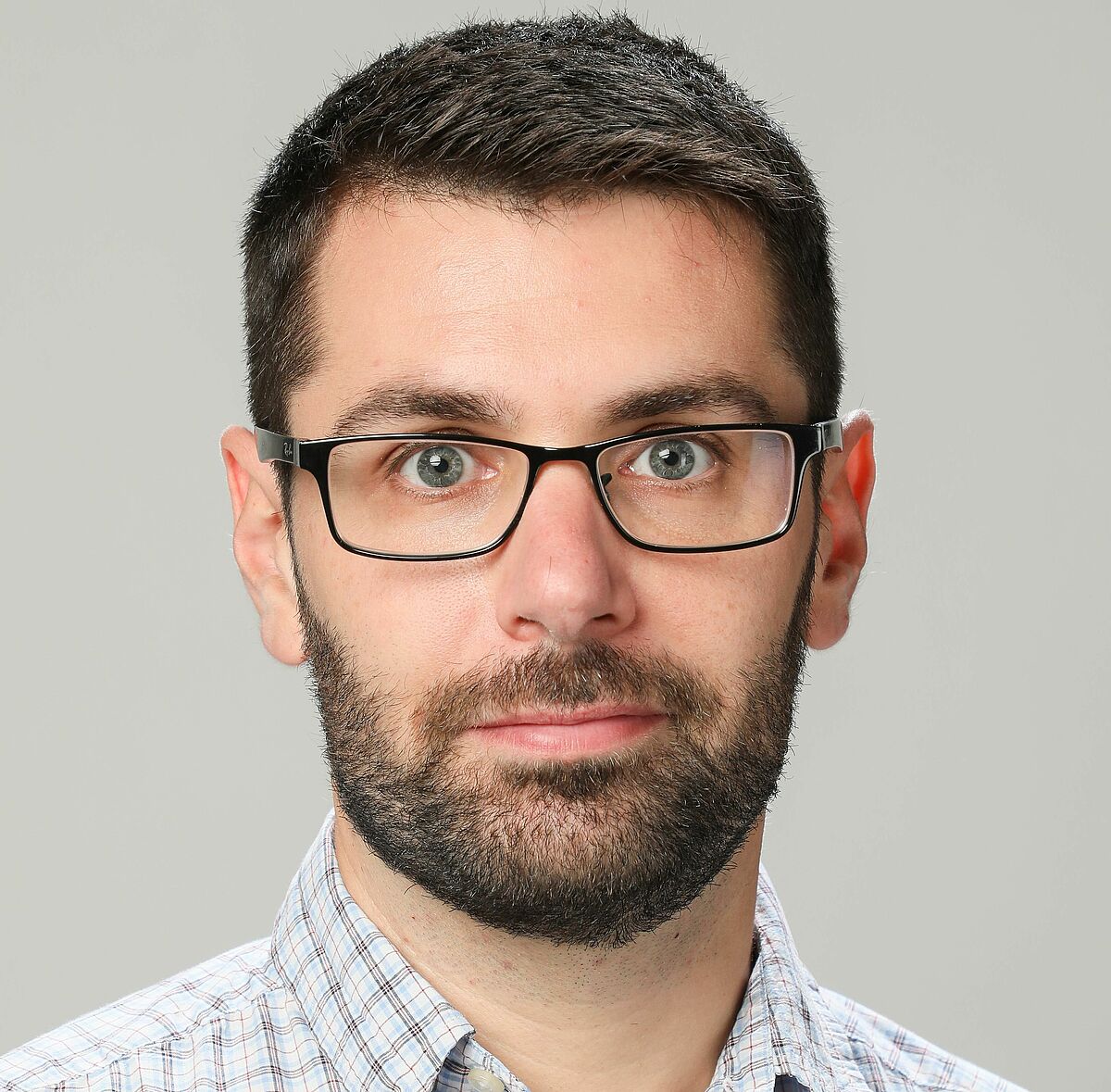
Matteo Romanello (University of Lausanne)
Matteo Romanello is a Senior Data Engineer at the Swiss Art Research Infrastructure (SARI), University of Zurich. Previously, he was Senior Lecturer at the University of Lausanne (2020–2024), where he conducted an SNSF-funded project focused on the history of classical commentaries (Ajax Multi-Commentary). He holds a Ph.D. in Digital Humanities from King’s College London (2015) and has carried out research in national and international research projects at the intersection of humanities and computer science/NLP, including work on citation mining, information extraction (especially named entity processing), and text reuse detection.
Website: https://dhcenter-unil-epfl.ch/en/biography/matteo-romanello/
GitHub: https://github.com/mromanello
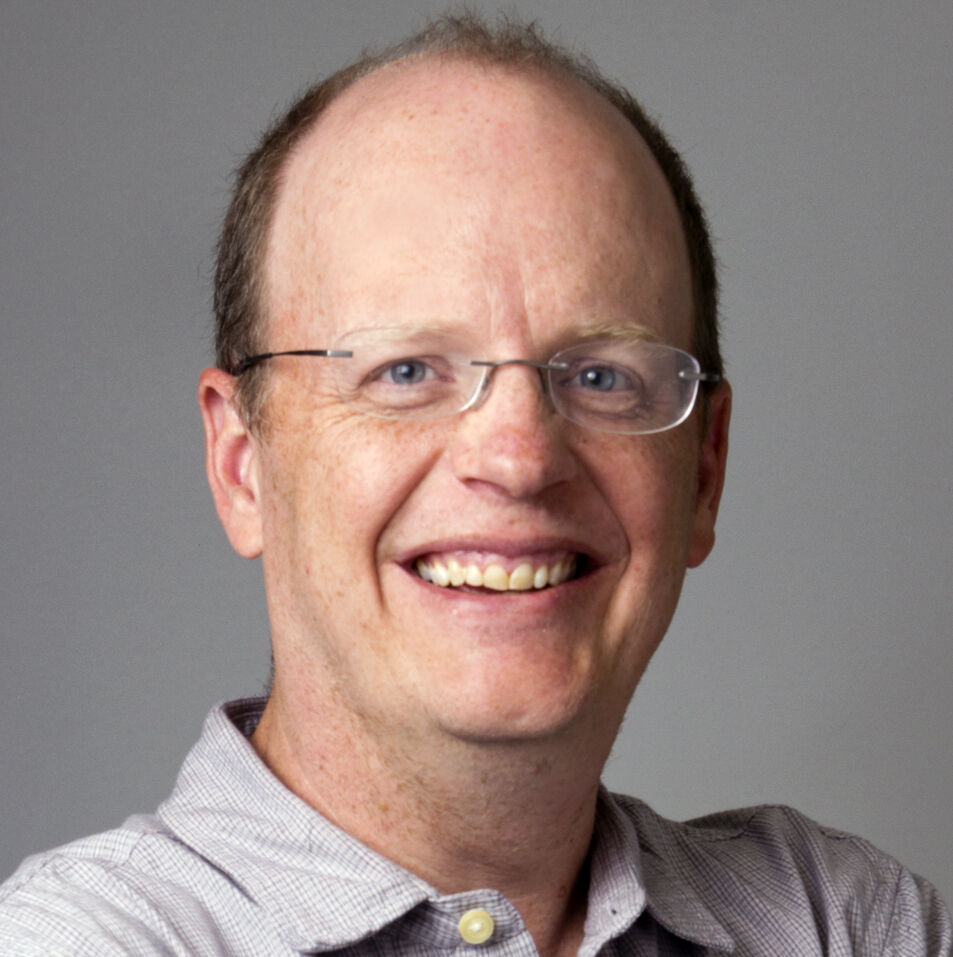
Jeff Rydberg-Cox (University of Missouri-Kansas City)
Jeff Rydberg-Cox is Curators’ Distinguished Professor of English, Director of the Classical and Ancient Studies Program, and Co-Director of the Center for Digital and Public Humanities at the University of Missouri-Kansas City. He holds a Ph.D. from the Committee on the Ancient Mediterranean World at the University of Chicago. He has led numerous grant-funded projects and published articles, books, and born-digital projects about computational analysis of ancient Greek and Roman literature, digitization methodologies, and artificial intelligence-based approaches to manuscript analysis. His digital projects are available online at https://daedalus.umkc.edu
Website: https://cas.umkc.edu/profiles/english/jeff-rydberg-cox.html
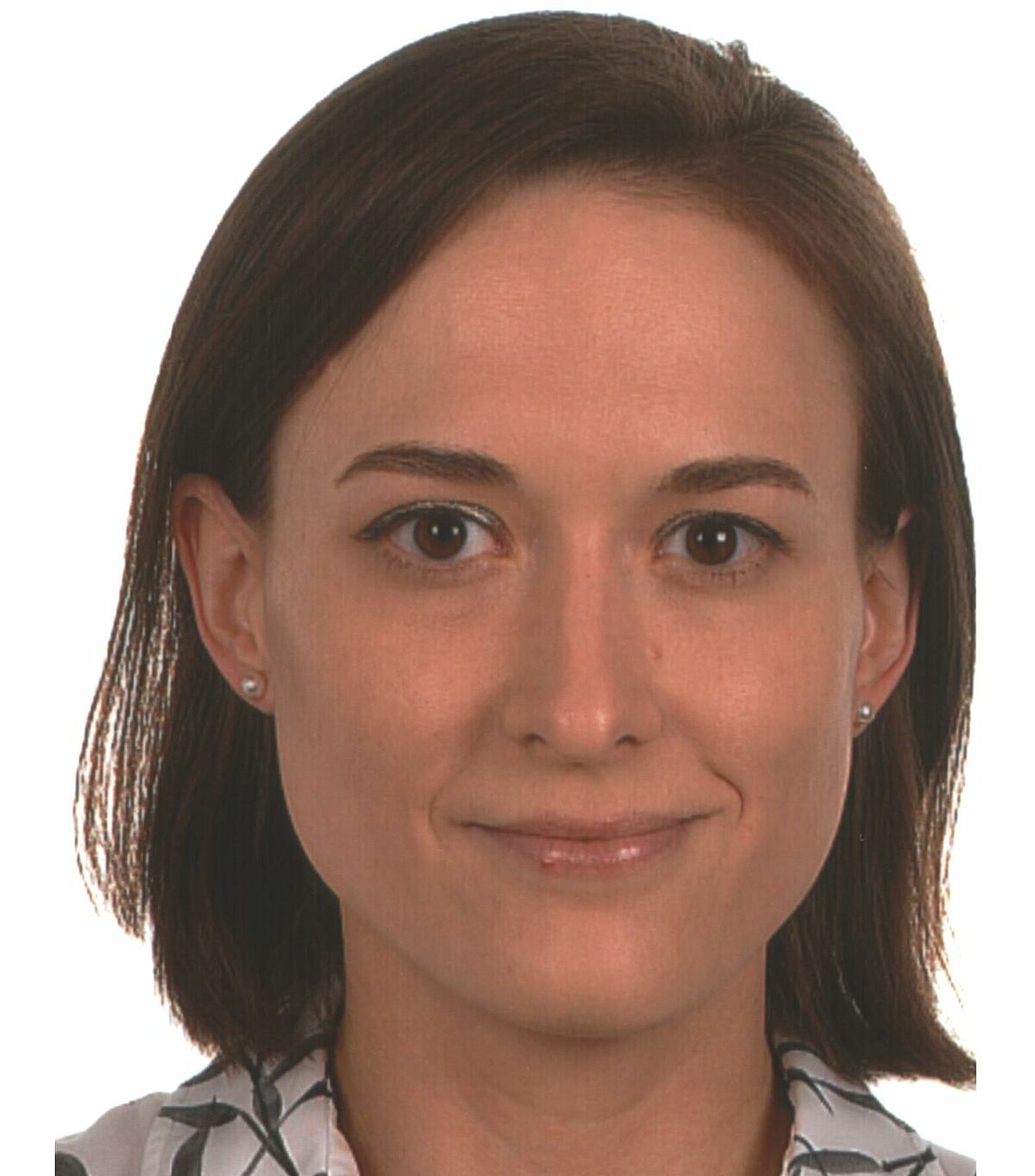
Rebekka Schirner (University of Jena)
Rebekka Schirner studied Classics and Linguistics at the University of Mainz, where she earned her Ph.D. in 2013 with a prize-winning thesis on Augustine (Antonie Wlosok Foundation). She held visiting positions at St Andrews (2011), Notre Dame (2013), and UCL (2017/18, funded by the German Research Foundation). In 2021, she completed her habilitation on emotions—particularly fear—in Valerius Flaccus’ Argonautica. Since October 2025, she has been Professor of Latin Studies at the University of Jena. Her research focuses on Latin patristic literature, early medieval Latin texts, and Greek and Latin epic.
Website: https://www.gw.uni-jena.de/80641/prof-dr-rebekka-schirner

Christoph Schwameis (University of Vienna)
Christoph Schwameis (Ph.D. 2018) worked from 2018 until 2025 as a University Assistant at the Institut für Klassische Philologie, Mittel- und Neulatein at the University of Vienna, Austria. There, he taught translation courses and seminars on Roman literature and grammar courses on the Latin language. His research interests include Cicero’s speeches and Silius Italicus’ Punica. He has published commentaries on Cicero’s De inventione (2014), Cicero’s De praetura Siciliensi (2019), and books 15 and 16 of the Punica (2025).
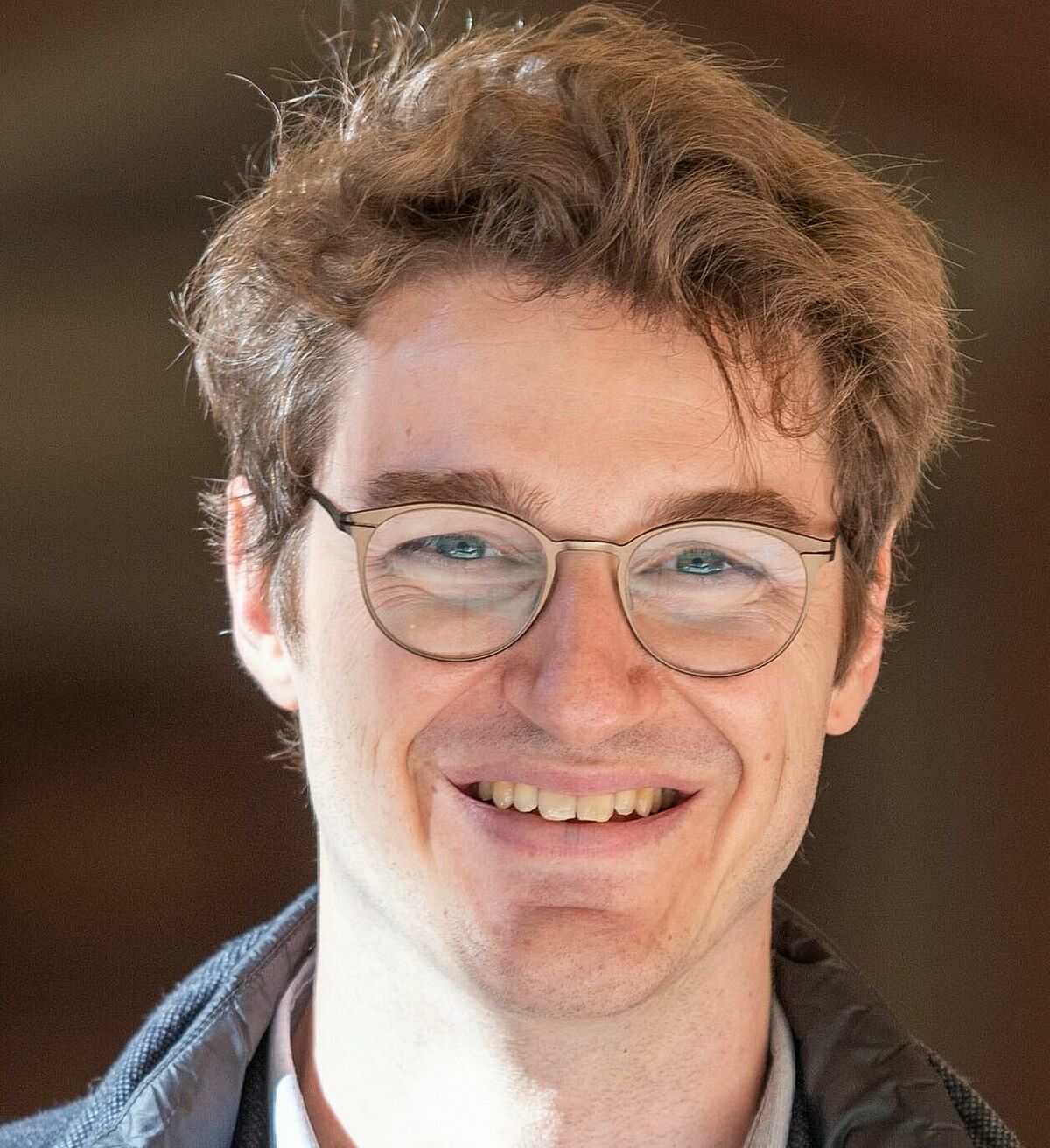
Bernhard Söllradl (University of Salzburg)
is a postdoctoral researcher at the University of Salzburg, where he carries out his project Configurations of Genre in Flavian Epic Poetry (FWF grant ESP 429-G). His monograph on the interplay of myth, politics, and ideology in Valerius Flaccus’ Argonautica, Valerius Flaccus, Vespasian und die Argo: zur zeithistorischen Perspektivierung des Mythos in den Argonautica (2023) was published in Brill’s Mnemosyne Supplements series (originally a 2021 Ph.D. thesis at the University of Vienna). He is co-editor of Gattungstheorie und Dichtungspraxis in neronisch-flavischer Epik (2024), a volume in the De Gruyter series Millennium Studies, and editor of a partial edition (text and translation with introduction and notes) of John Lesley’s De origine, moribus, et rebus gestis Scotorum (2020). His research interests include Flavian epic, genre theory, intertextuality, metapoetics, and Neo-Latin.
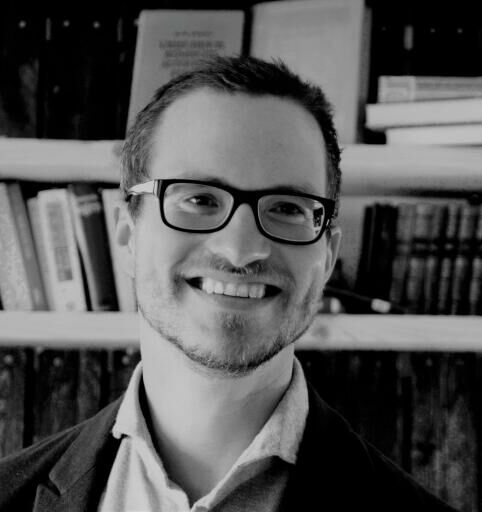
Jan Telg genannt Kortmann (University of Münster)
Jan Telg genannt Kortmann is currently assistant professor of Latin Literature at the University of Münster. He has published a commentary on the Hannibal ad portas scene in Silius Italicus’ Punica (2018) and further articles on Roman epic. At the moment, he is working on the publication of his habilitation thesis analyzing the narrative function of walls in Roman literature. His research interests particularly focus on Roman epic, historiography, elegy and narratology.
Website: https://www.uni-muenster.de/KlassischePhilologie/Institut/telg.html
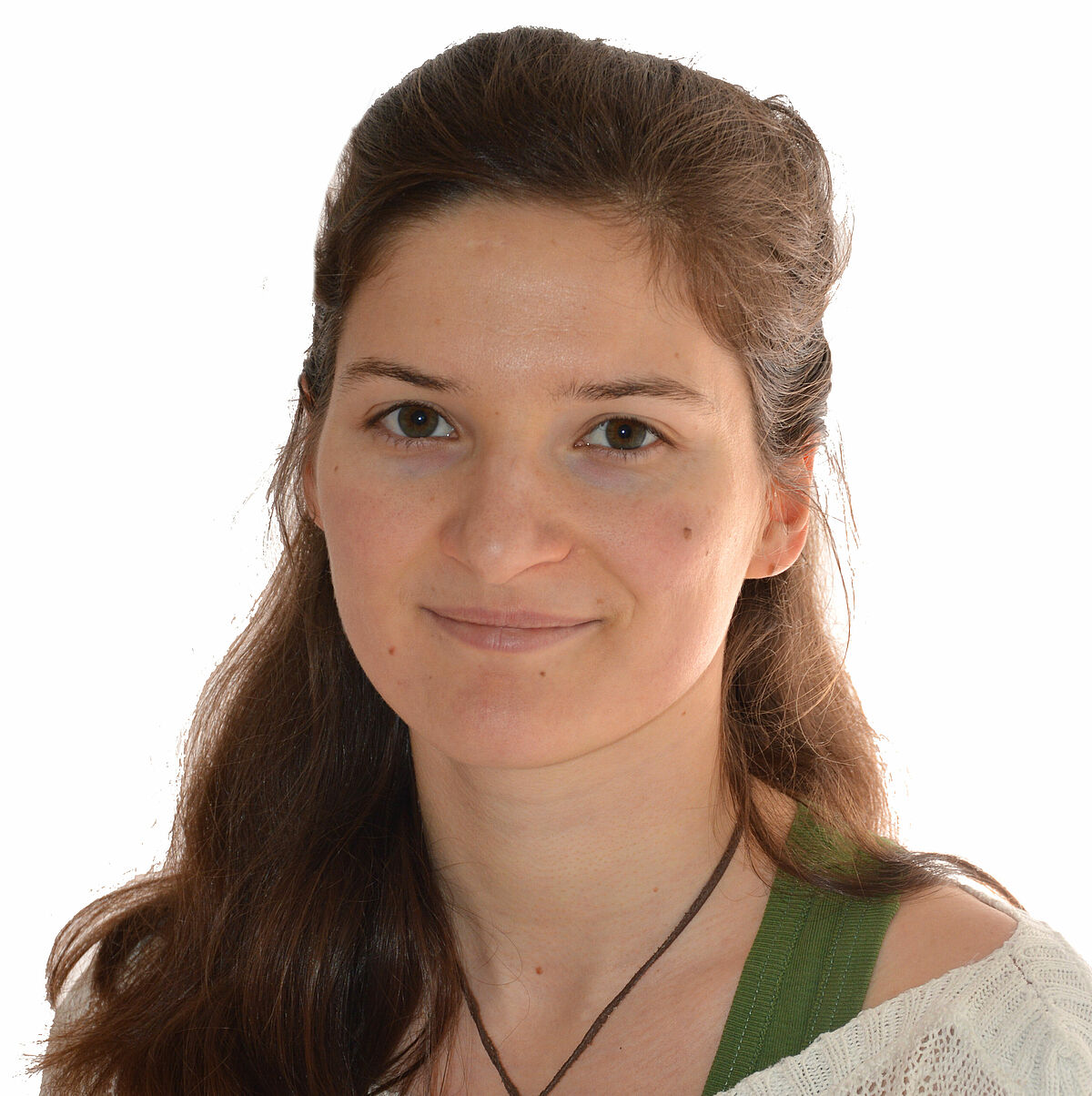
Mélissande Tomcik (University of Montreal)
Melissande Tomcik Ph.D. (Geneva, 2021), is assistant professor of Latin language and literature at the University of Montreal. Her research interests include myth, intertextuality and metapoetics. Her current projects focus on the relationship between fact and fiction in ancient literature. In particular, she is working on a book project devoted to fake news in Flavian epic. In 2025 she launched a research project investigating false promises and misleading prophecies in the epics of Valerius Flaccus, Statius and Silius Italicus.